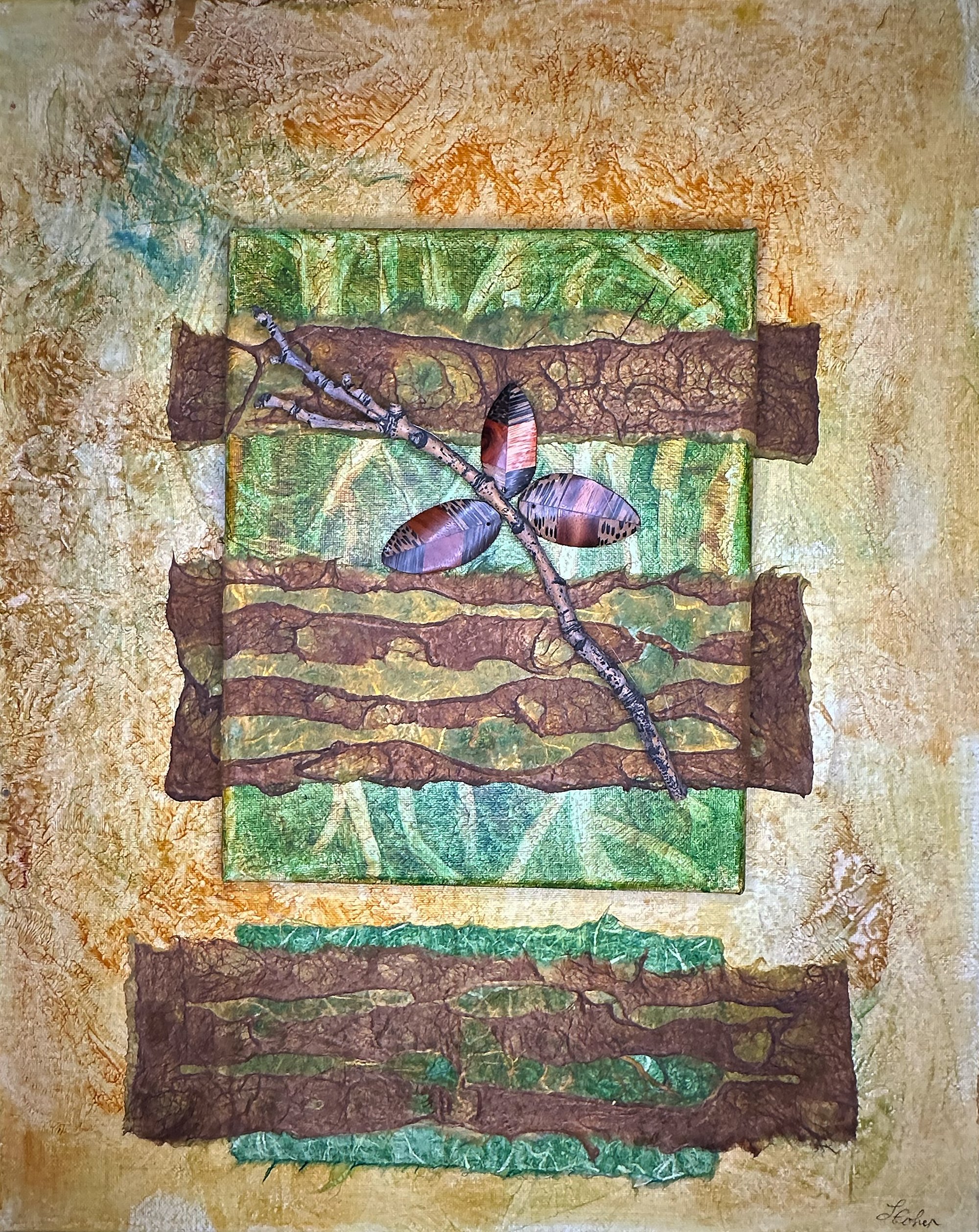

Paper, Transformed:
The Ancient Korean Art of Joomchi
What if you could turn delicate sheets of paper into a material as tough as leather and as flexible as woven fabric—without using a single drop of glue, thread, or machinery?
Welcome to the world of Joomchi, a centuries-old Korean paper-felting secret that bridges historic craft and modern fiber art.
What is Joomchi?
At its core, Joomchi is an ancient paper-manipulation technique developed in Korea over 500 years ago. The word Joomchi roughly translates to "making a pouch" or creating a container, referencing the traditional hand-kneaded paper bags carried in historic Korea.
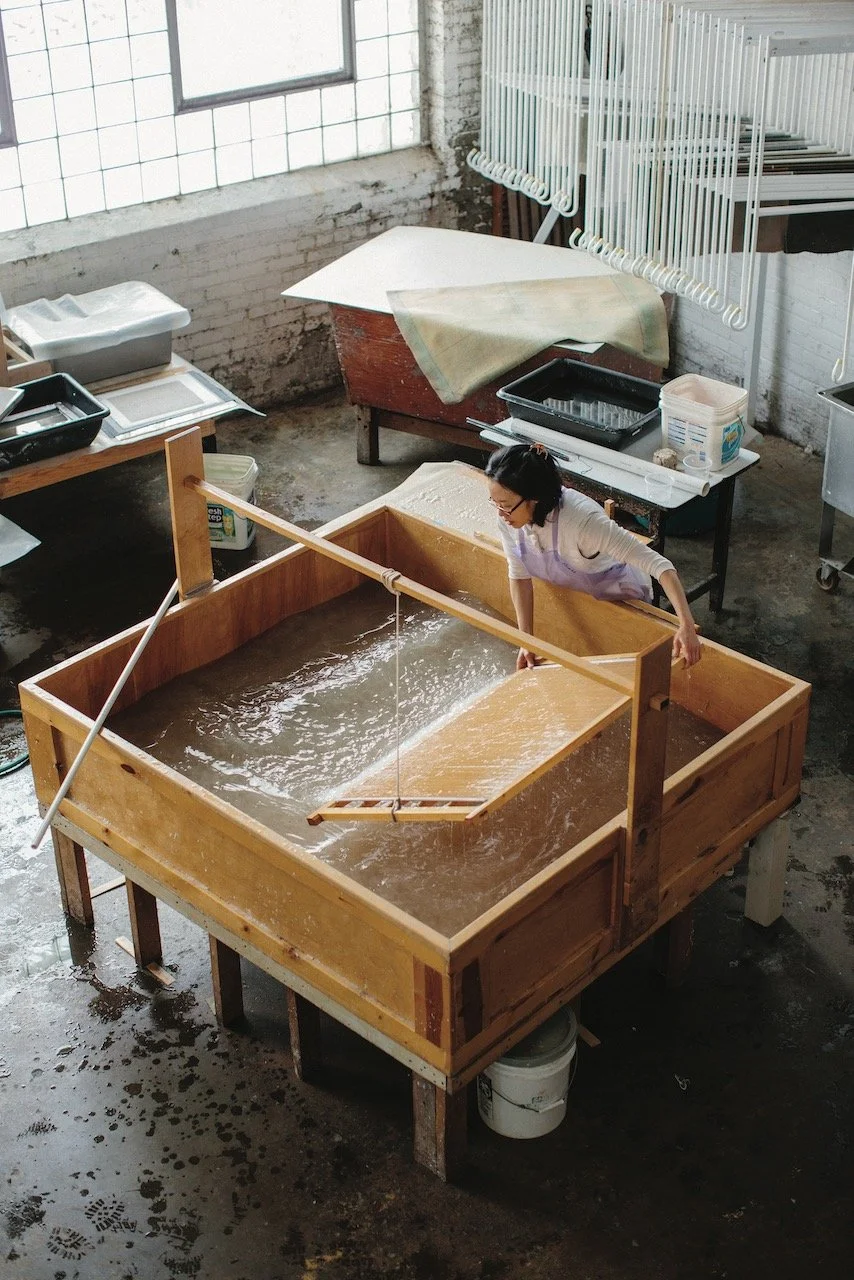
While standard papermaking relies on pulping raw fibers in large vats of water, Joomchi starts with finished sheets of paper. By soaking, rolling, wringing, and vigorously kneading layers of handmade mulberry paper (Hanji), artists break down and intertwine the plant’s naturally long fibers.
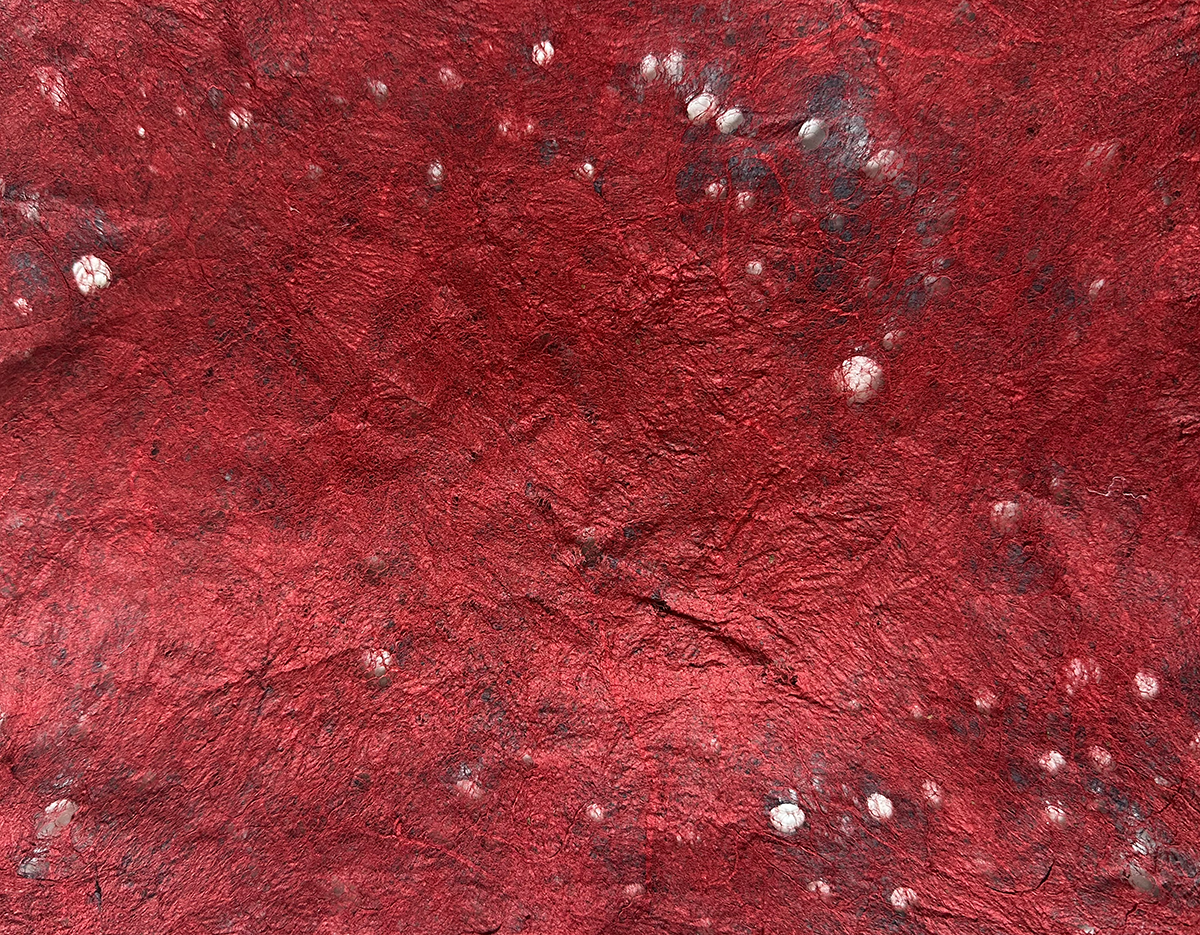
The result is a total physical transformation: fragile, flat paper compacts into a durable, leathery textile that is water-resistant, flexible, and virtually indestructible.
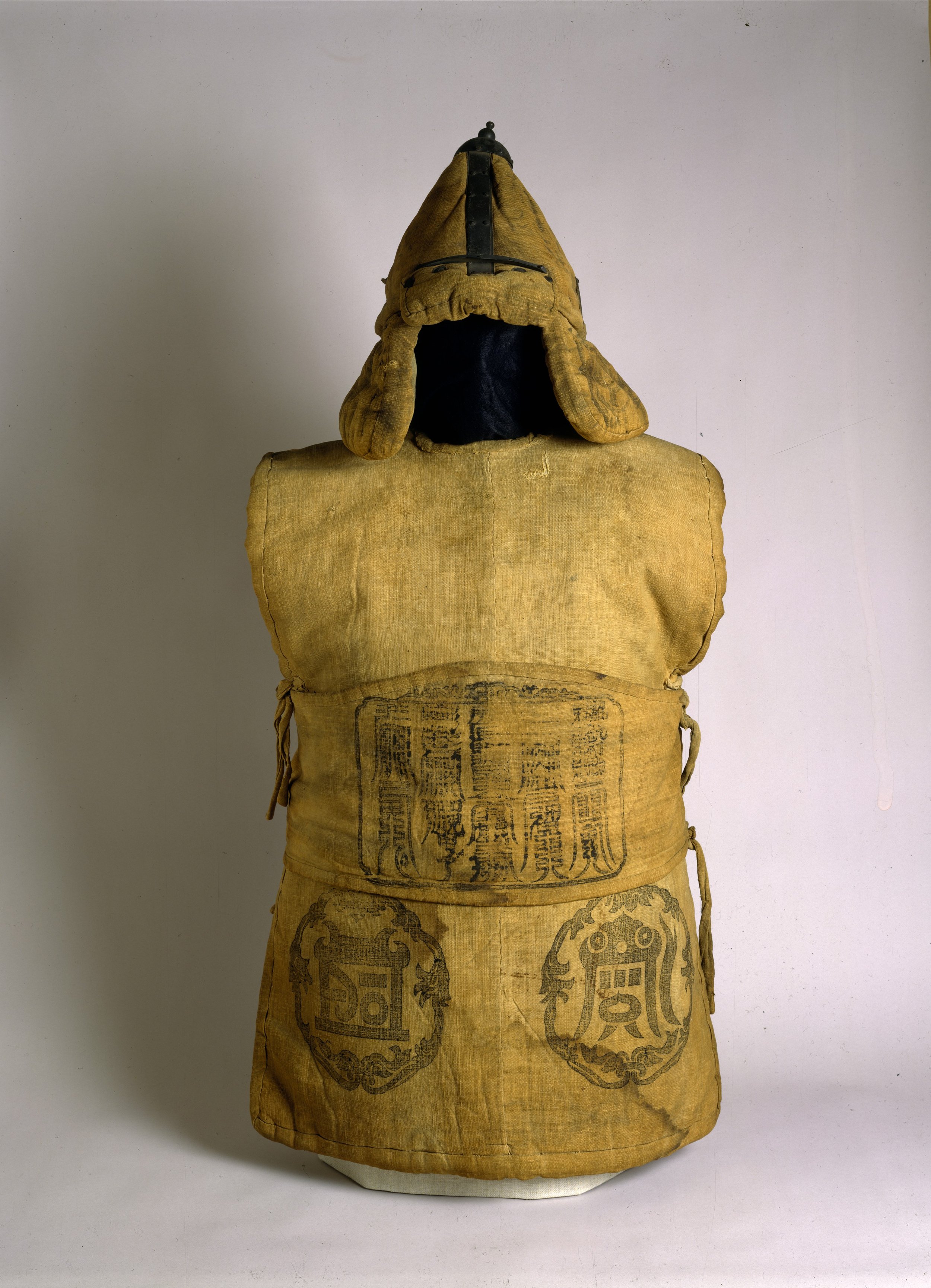
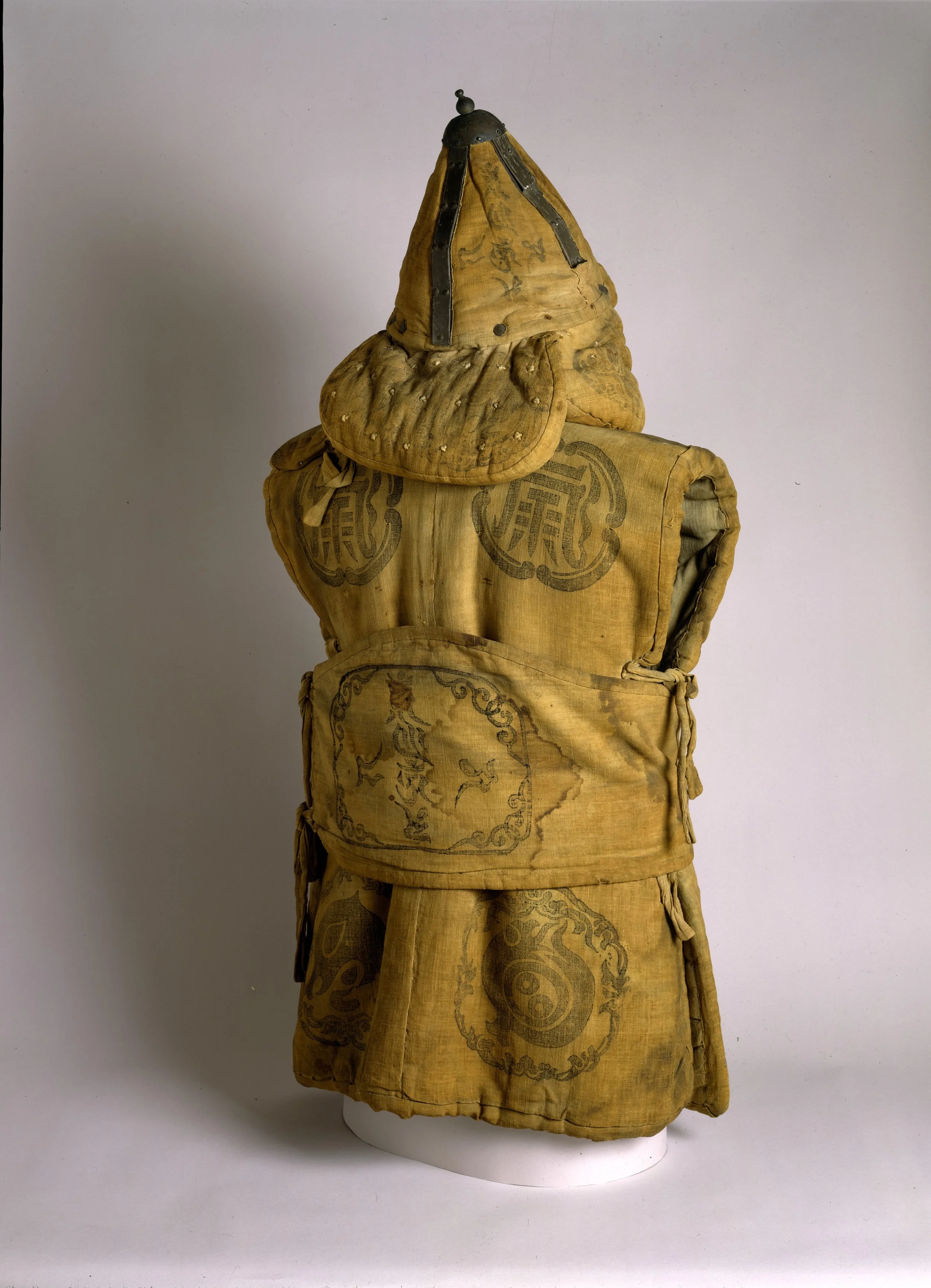
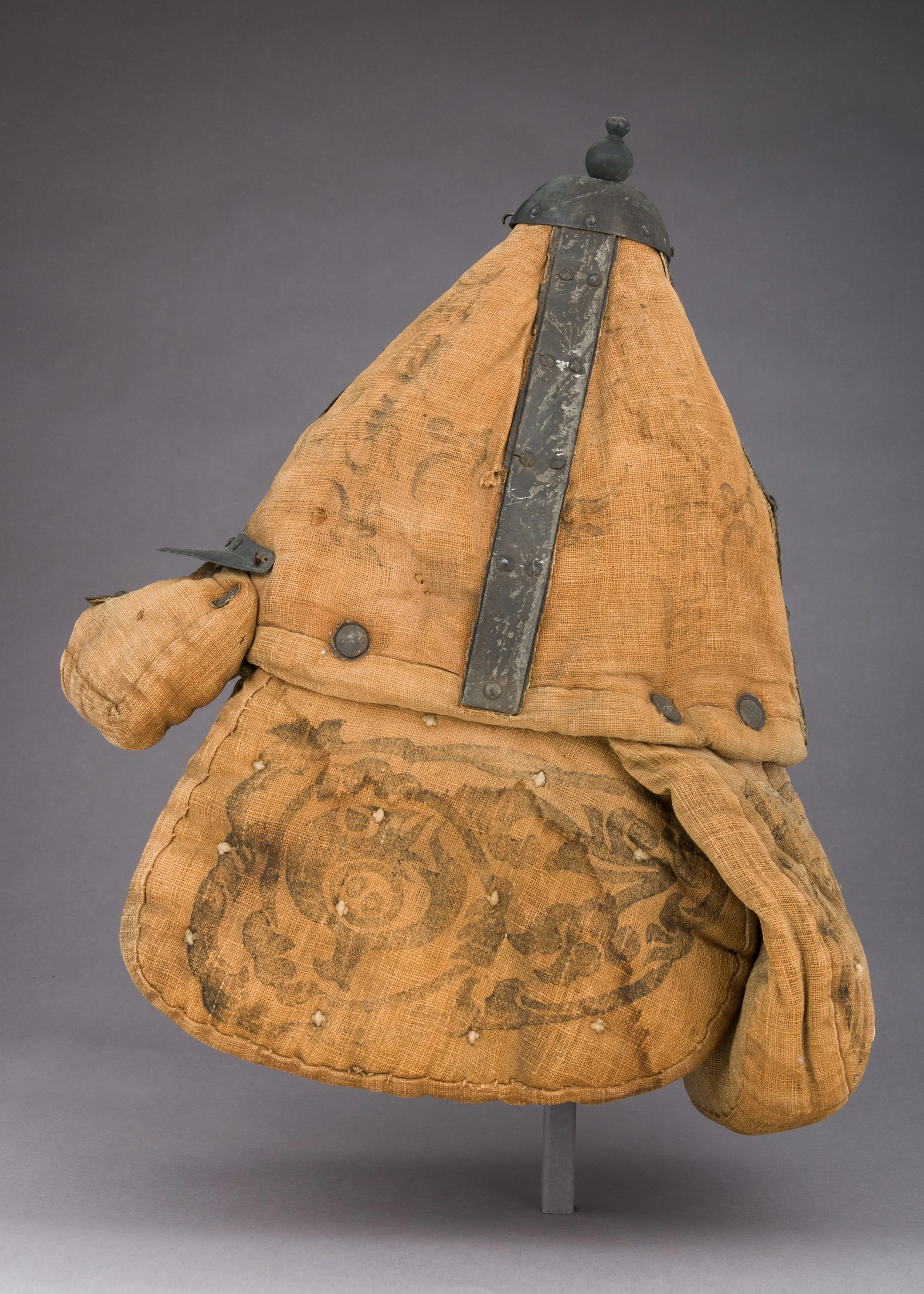
Joseon Paper Armor (Jigap): Layered, felted Hanji paper composite capable of turning away arrows and blades (Metropolitan Museum of Art).
The History:
From Raincoats to Lightweight Armor
To understand why Joomchi was developed, you have to look at historic Korea’s climate and resources. Cotton was difficult to cultivate in Korea’s colder regions, forcing artisans to find inventive, warmth-retaining alternatives.
Korean craftspeople turned to the bark of the paper mulberry tree (Broussonetia papyrifera), which contains exceptionally long, strong bast fibers. When layered and felted using the Joomchi technique, this paper gained properties that far surpassed ordinary woven fabrics:
Rain Gear & Garments: Treated with oil, Joomchi paper became lightweight, water-resistant outer capes, shoes, and pouches.
Household Furnishings: Because of its strength and insulating abilities, Joomchi was used for room dividers, lantern shades, storage chests, and cushions.
Lightweight Body Armor (Jigap): By layering dozens of sheets of mulberry paper and felting them into a rock-hard composite, Koreans created body armor capable of dampening blows and stopping arrows.
Archival Documents: Mulberry fibers naturally resist decay, moisture, and pests, making Hanji and Joomchi the ideal medium for historical record-keeping.
Why No Glue is Needed:
The Science of Mulberry Fibers
The magic of Joomchi lies in the unique molecular makeup of Hanji paper.
Unlike wood-pulp paper made from short, brittle fibers, Hanji is made from the inner bark of mulberry trees, which features long, intertwining plant filaments. When soaked in water, these fibers swell and soften. The mechanical pressure of your hands—rolling, pressing, and squeezing—forces the fibers of separate sheets to tangle together.
As the paper dries, hydrogen bonds reform between the interwoven filaments, permanently locking the separate sheets into one solid, seamless textile.


Essential Supplies And Resources to Get Started
If you are ready to experiment with paper felting yourself, here is a quick guide to supplies, key books, and community organizations.
Required Starter Materials
Authentic Hanji / Mulberry Paper: High-mulberry content paper is required; standard wood-pulp papers will disintegrate in water. Look for Kozo or Hanji papers with visible long fibers.
Bubble Wrap or Reed Mat: Used as a textured rolling surface to generate friction.
Water & Spray Bottle: Room-temperature water to saturate your work.
Towels & Mesh: To absorb excess moisture and protect delicate top layers during the initial rolling phase

Creative Techniques for Contemporary Artists
Today, fiber artists, bookbinders, and sculptors around the world are rediscovering Joomchi as an expressive art form. Because the material shrinks and shifts as you work it, the process offers endless artistic possibilities:
1. Organic Textures & Paper Lace
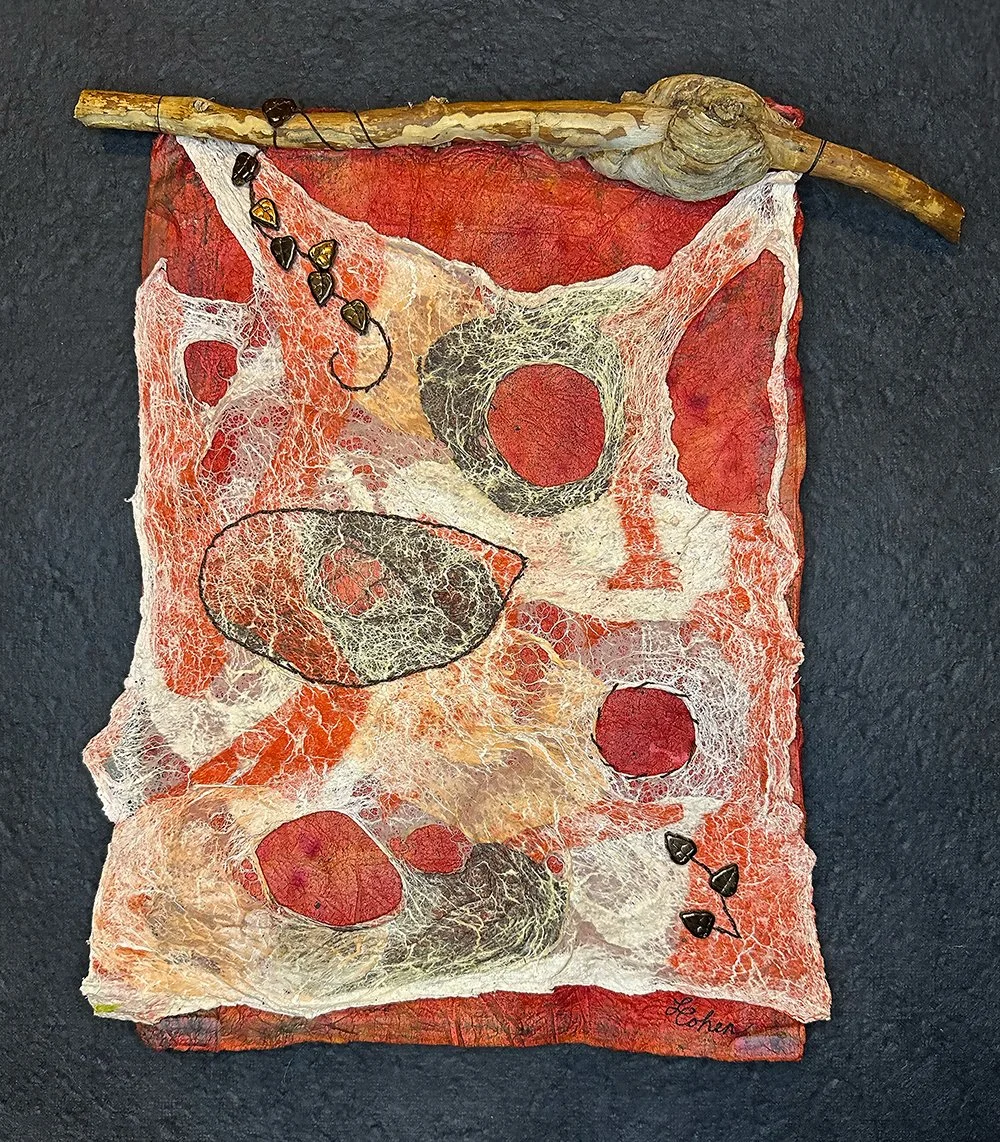
As you agitate the wet sheets, the outer skin of the paper gently dissolves to reveal intricate fiber networks underneath. If you continue kneading, small tears and circular openings naturally form across the surface. Pushing the process creates a delicate, webbed "paper lace" ideal for dramatic wall hangings or light-filtering lamp shades.
2. Pre-Felting Cutouts & Layering
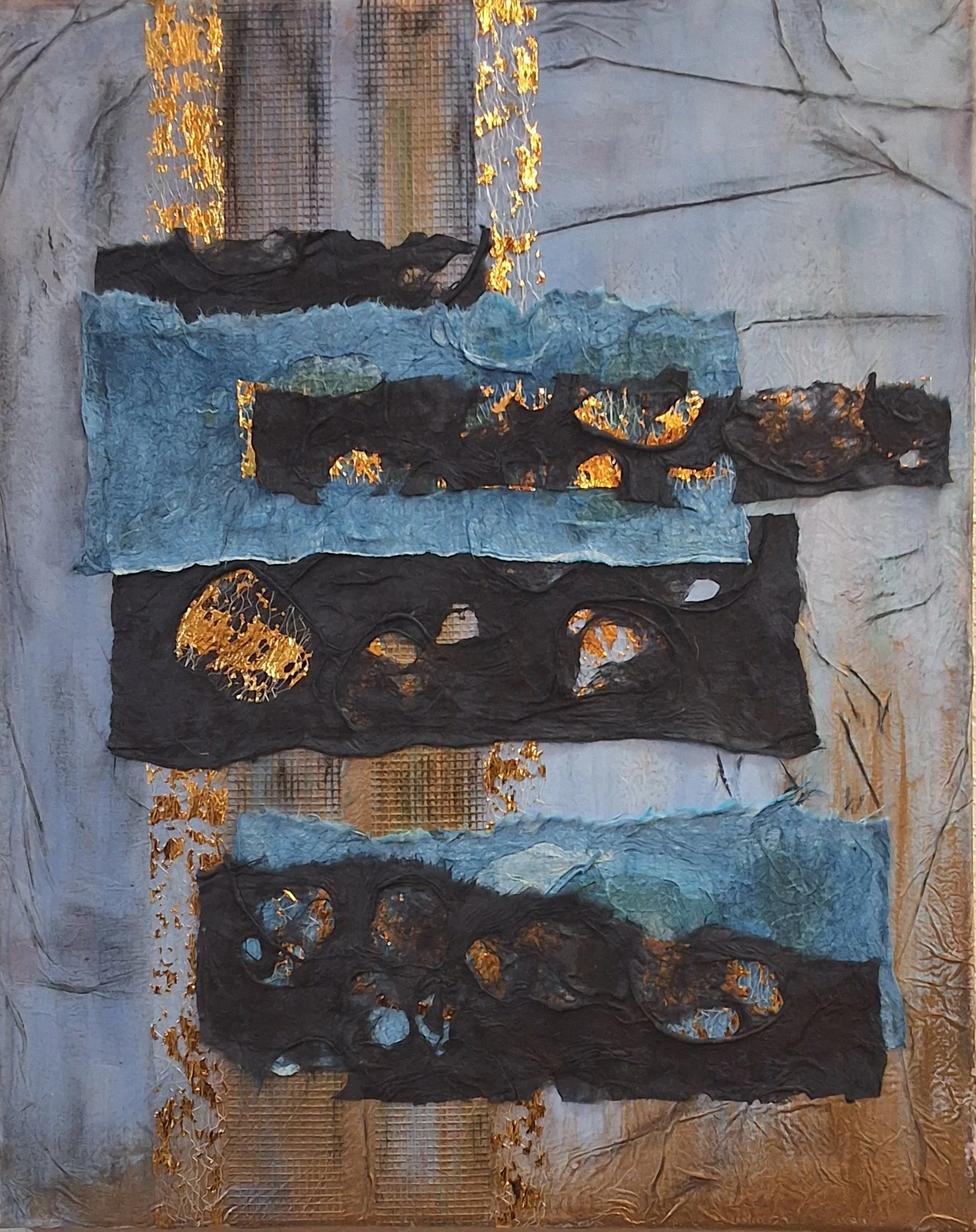
By cutting slits, geometric shapes, or negative spaces into individual sheets before wetting them, you reveal the contrasting colors of the underlying layers. As the paper shrinks during felting, these cutouts distort into smooth, organic shapes.
3. Incense Singeing & Burning
An essential technique in modern Joomchi is using an incense stick to burn small holes or line patterns into dry paper sheets before felting them. The heat leaves dark, charred borders around each hole. When wet and felted, these burned rings expand into rich, dramatic apertures.
4. Mixed-Media Inclusions
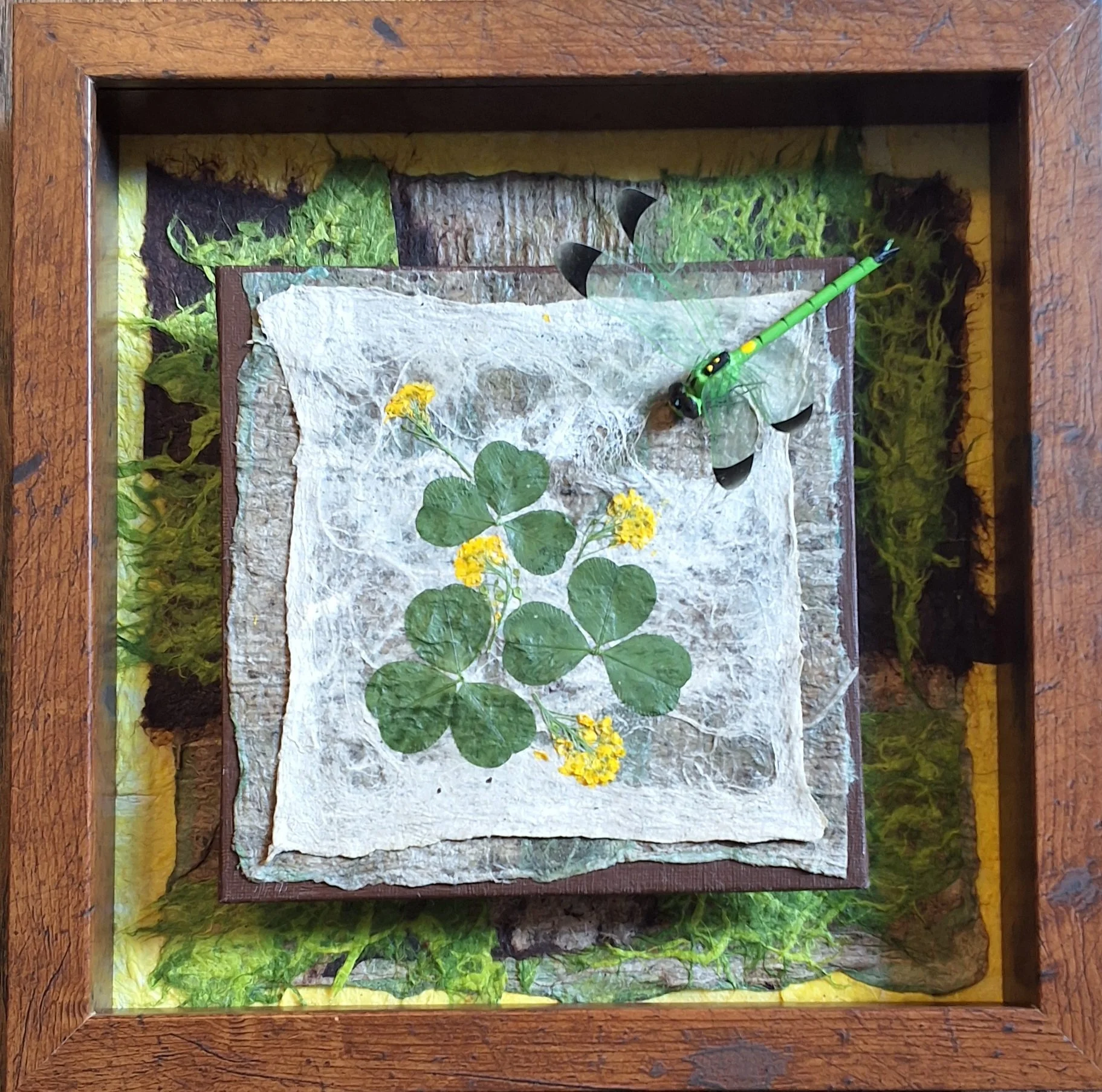
You aren't limited to paper alone. Modern makers often trap threads, dried leaves, silk fibers, thin wire, or mesh between sheets during the layering phase. The mulberry paper felt wraps around these inclusions, creating rich, tactile surfaces.